
How Two Vague Words Were Used to Gut the Entire Constitution
By: Michael Boldin “…do we live under a limited or an unlimited government?” To you, that question probably sounds naive because the answer feels obvious. But in 1792, Thomas Jefferson ...
Read more.
John Taylor’s Forgotten Assault on Hamilton’s Economic Scheme
By: Michael Boldin In 1794, John Taylor of Caroline published a devastating critique of Alexander Hamilton’s financial system: the national bank, paper money, and debt. Taylor saw these for what ...
Read more.
The National Bank That Breached the Articles of Confederation
By: Mike Maharrey Despite having no express authority to do so, Congress created a national bank under the Articles of Confederation by invoking an invented doctrine of “inherent sovereign authority.” ...
Read more.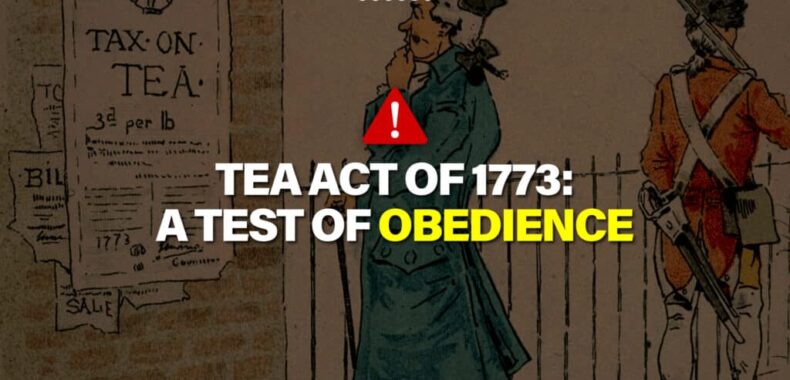
The Tea Act of 1773 Was a Test of Obedience
By: Michael Boldin On May 10, 1773, the British Parliament passed the Tea Act. To the average observer, it seemed like a break. Cheaper tea. A financial rescue for ...
Read more.
Nullification 101: Five Core Principles You Need to Know
By: Michael Boldin Nullification is THE rightful remedy for all unconstitutional acts – usurpations of power. Understanding the five core principles that make up its foundation is essential to getting ...
Read more.
Who Decides? The Founders’ Forgotten System of Checks and Balances
By: Michael Boldin “There is not a syllable in the constitution, that makes a decision of the judiciary – of its own force, and without regard to its correctness – ...
Read more.
The ideas that formed the Constitution: Cicero Continued
By: Rob Natelson The previous installment in this series outlined the life and career of the Roman statesman Marcus Tullius Cicero. It described how John Adams relied on Cicero’s work in the preface ...
Read more.
Absolute Federal Supremacy: The Myth That Just Won’t Go Away
By: Mike Maharrey It never goes away – the myth of absolute federal supremacy. I got an email from a Tenth Amendment Center volunteer in Illinois last week. He has been ...
Read more.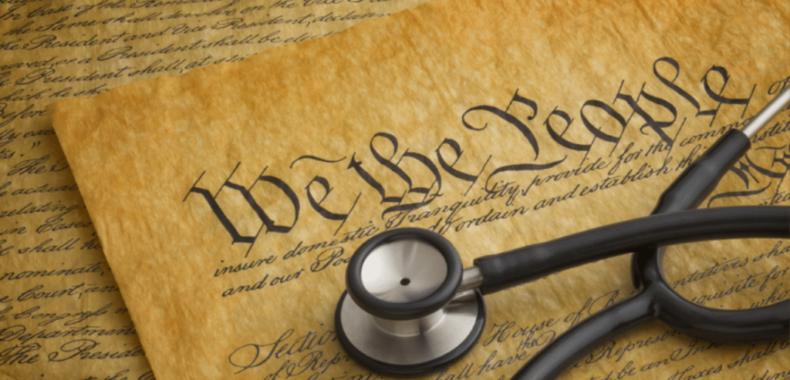
Necessary is Supposed to Mean Necessary
By: Michael Boldin When the Constitution was ratified, the word necessary meant, well, necessary. But in the dystopian “future” we live under today, words don’t mean what they actually mean. They ...
Read more.
The Destructive Legacy of the Federal Taxing Power
By: Bob Fiedler How many people stop to consider if there are any restrictions on what or how the federal government can tax? Does the Constitution for the United States allow ...
Read more.